Planning Meals with Healthy Alternatives
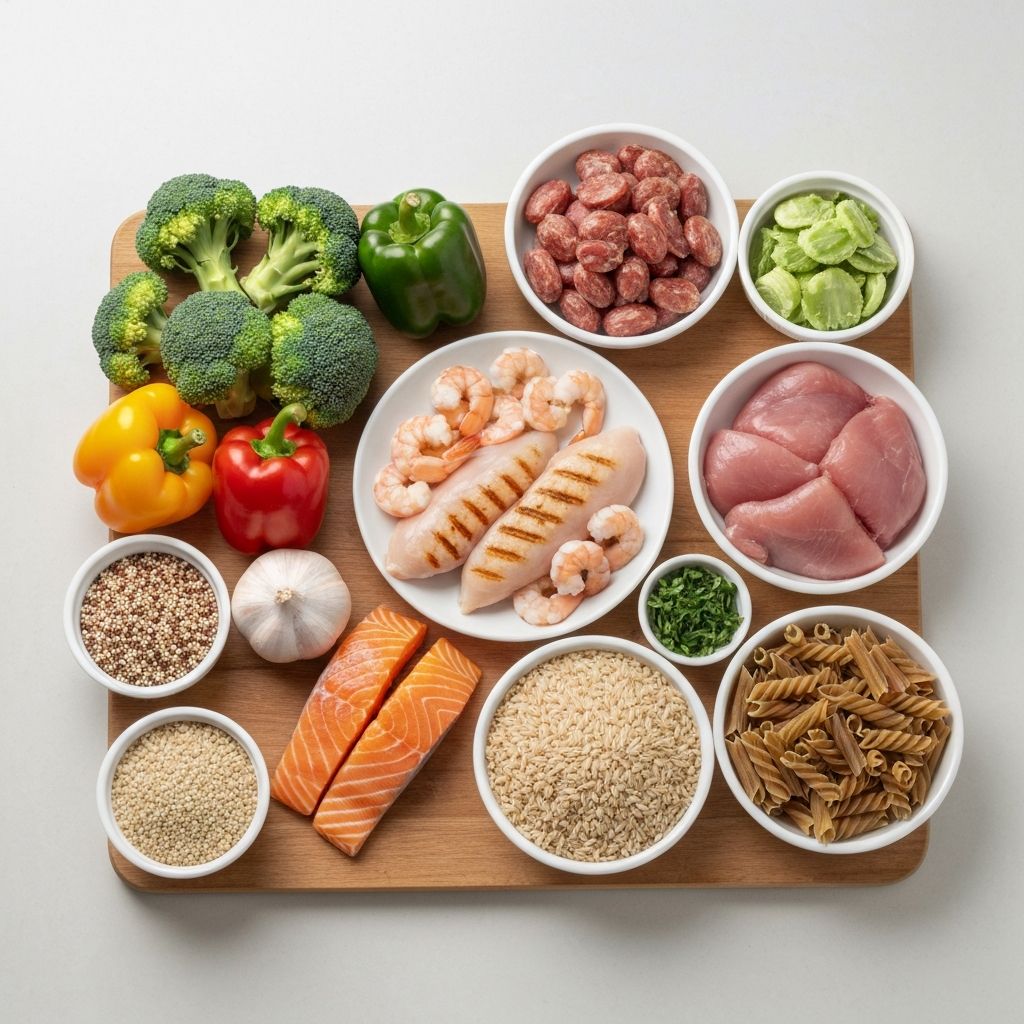
Understand the educational concepts behind meal planning with alternative ingredients and how substitution principles can be applied to daily eating patterns.
Introduction to Meal Planning Concepts
Meal planning is a practice that involves thinking ahead about food preparation. When ingredient substitutions are incorporated into meal planning, individuals can explore how different food choices affect overall nutritional intake, including calorie consumption.
This article presents educational information about meal planning concepts and how substitution principles might be applied. It is not a meal plan or dietary prescription, but rather an exploration of how these concepts work in theory.
Principles of Substitution-Aware Meal Planning
Awareness of Calorie Density
Understanding that different foods provide different amounts of calories per unit of volume or weight is fundamental. Vegetables, for instance, generally provide fewer calories per cup than grains or proteins, due to their high water and fiber content. This knowledge allows for meal composition that balances satiety with calorie content.
Balancing Nutritional Needs
While calorie management is one aspect of nutrition, meals should also provide adequate protein, healthy fats, vitamins, minerals, and fiber. Effective meal planning considers multiple nutritional dimensions simultaneously, not just calories.
Practical Feasibility
Meal plans that rely heavily on unusual ingredients or require extensive preparation time may not be sustainable for many people. Practical meal planning incorporates foods that are accessible, affordable, and fit with individual schedules and cooking abilities.
Building Blocks of Balanced Meals
Protein Sources
Protein is essential for numerous bodily functions. When considering calorie management, lean proteins typically provide protein with less accompanying fat:
- Skinless chicken or turkey breast
- White fish (cod, tilapia, haddock)
- Egg whites or whole eggs in moderation
- Legumes (beans, lentils, chickpeas)
- Tofu and tempeh
- Low-fat cottage cheese or Greek yogurt
Vegetable Volume
Vegetables provide volume, fiber, vitamins, and minerals with relatively few calories. Incorporating substantial vegetable portions can increase meal satisfaction while moderating overall calorie density. Non-starchy vegetables like leafy greens, broccoli, cauliflower, peppers, tomatoes, and zucchini are particularly low in calorie density.
Carbohydrate Choices
Carbohydrates provide energy and, in the case of whole grains, fiber and nutrients. Calorie-conscious approaches might include:
- Smaller portions of whole grains (brown rice, quinoa, whole wheat pasta)
- Vegetable-based alternatives (cauliflower rice, zucchini noodles)
- Starchy vegetables in moderation (sweet potatoes, squash)
- Legumes, which provide both carbohydrates and protein
Healthy Fats
Dietary fat is essential for health, but because it is calorie-dense, portion awareness is important when managing calorie intake. Sources include:
- Olive oil or avocado oil used sparingly
- Avocado in measured portions
- Nuts and seeds in small amounts
- Fatty fish (salmon, mackerel) which provide omega-3 fatty acids
Sample Meal Structure Illustrations
Breakfast Examples
Traditional approach: Two eggs scrambled in butter, two slices white toast with jam, glass of orange juice
Substitution approach: Egg white omelet with vegetables cooked in cooking spray, one slice whole grain toast with mashed avocado, water with lemon
Traditional approach: Large bowl of granola with whole milk and dried fruit
Substitution approach: Greek yogurt with fresh berries and a small amount of granola for texture
Lunch Examples
Traditional approach: Turkey sandwich on white bread with mayonnaise, chips, regular soda
Substitution approach: Turkey wrap in whole grain tortilla with mustard and vegetables, side salad, sparkling water
Traditional approach: Creamy pasta salad with full-fat dressing
Substitution approach: Quinoa salad with vegetables, lean protein, and olive oil-based dressing
Dinner Examples
Traditional approach: Fried chicken, mashed potatoes with gravy, corn, dinner roll with butter
Substitution approach: Grilled chicken breast, roasted vegetables, small portion of quinoa, side salad
Traditional approach: Spaghetti with meat sauce, garlic bread, Caesar salad
Substitution approach: Zucchini noodles or whole wheat pasta (smaller portion) with lean ground turkey sauce, large side of steamed broccoli, mixed greens salad with light dressing
Snack Examples
Traditional approach: Handful of cookies or chips
Substitution approach: Apple slices with small amount of almond butter, or vegetable sticks with hummus
Weekly Planning Strategies
Template-Based Planning
Some people find it helpful to create meal templates that can be varied. For example:
Dinner template: Palm-sized portion of lean protein + 2 cups non-starchy vegetables + 1/2 cup whole grain or starchy vegetable
This template could be realized as grilled chicken with broccoli and brown rice one night, baked fish with green beans and sweet potato another night, and so on.
Batch Cooking
Preparing components in advance can make substitution-based eating more practical. Examples include:
- Grilling or baking several portions of lean protein at once
- Preparing large batches of cauliflower rice or spiralized vegetables
- Washing and cutting vegetables for easy access
- Cooking grains in bulk for the week
Flexibility and Variety
Rigid meal plans can be difficult to maintain. Building flexibility into meal planning, while maintaining awareness of substitution principles, may support long-term sustainability. Variety in food choices also helps ensure diverse nutrient intake.
Practical Implementation Considerations
Gradual Changes
Abrupt, dramatic dietary changes can be challenging to maintain. Educational literature on behavior change suggests that gradual modifications are often more sustainable than complete overhauls.
Individual Preferences
Food preferences, cultural traditions, and personal tastes significantly influence eating patterns. Effective meal planning incorporates foods that individuals genuinely enjoy rather than forcing consumption of disliked items.
Social and Family Contexts
Many people eat in social or family settings where individual meal planning must accommodate shared meals. This might involve preparing one meal with options for different family members or finding middle-ground approaches.
Budget Considerations
Food choices are influenced by economic factors. Some substitutions may be more expensive than traditional options, while others may be more affordable. Practical meal planning considers budgetary constraints.
Limitations and Context
While understanding meal planning with substitutions has educational value, important limitations exist:
- Individual calorie needs vary dramatically based on age, sex, body size, activity level, and health status
- This article cannot and does not provide personalized calorie targets
- Some individuals should not reduce calorie intake
- Nutritional needs extend far beyond calorie management
- Overly restrictive eating can have negative physical and psychological consequences
- Food relationships and eating behaviors are complex and individual
The examples in this article illustrate general principles for educational purposes. They are not recommendations for any specific individual. People considering changes to their eating patterns should consult with qualified nutrition professionals who can provide guidance based on their unique circumstances.
Educational Purpose Only
This article provides educational information about meal planning concepts and ingredient substitutions. It is not a meal plan, dietary prescription, or individual advice. Nutritional needs are highly individual and depend on numerous personal factors. Anyone considering changes to their eating patterns should consult with qualified professionals such as registered dietitians or physicians.